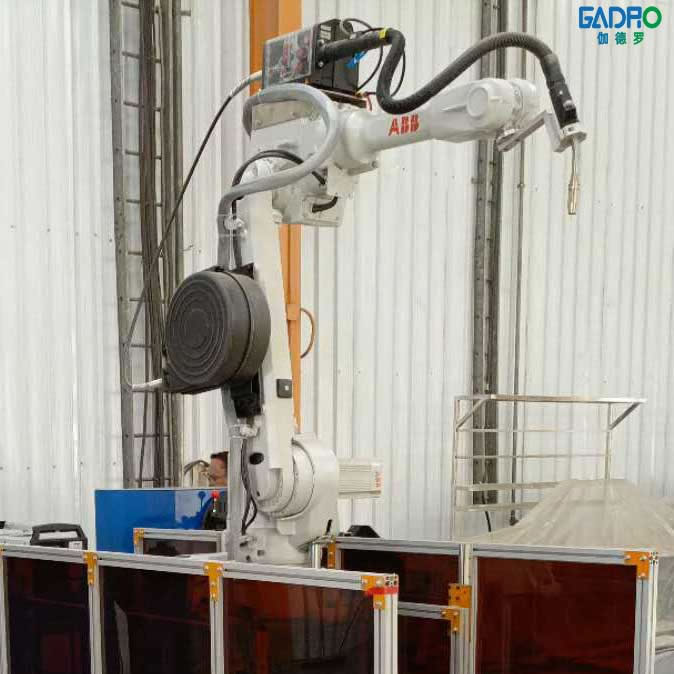
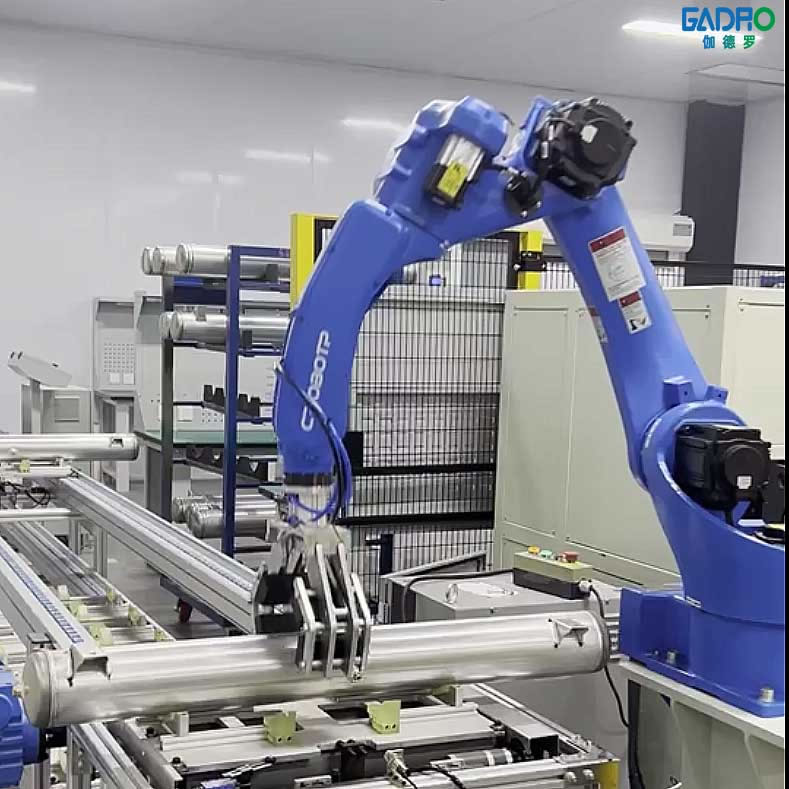
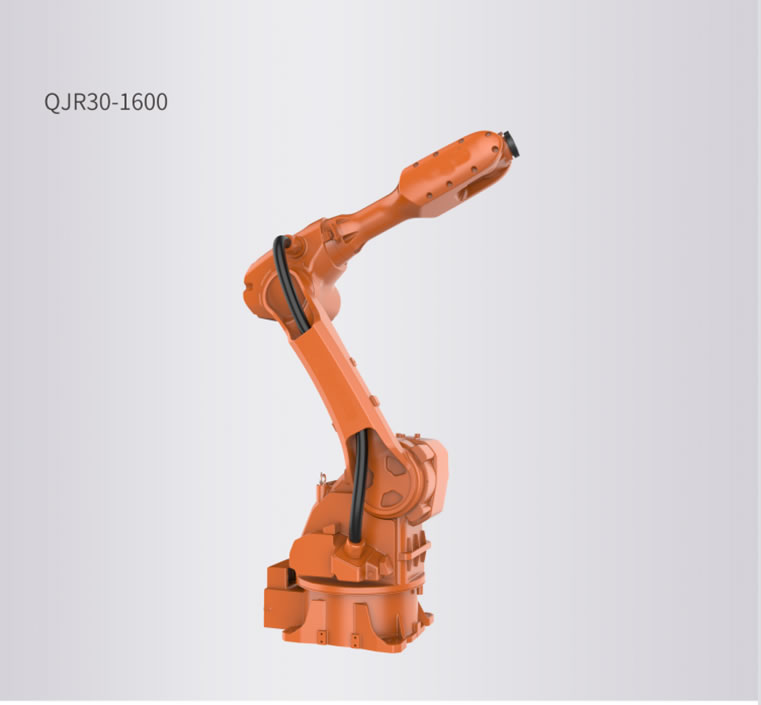
Why Robotic Welding Matters
The manufacturing landscape is evolving rapidly, and traditional manual welding processes struggle to meet the demands of modern production. Inconsistent weld quality remains one of the most persistent challenges in conventional welding, where human factors like fatigue, skill variation, and environmental conditions can significantly impact results. Even the most skilled welders experience natural variations in technique throughout a shift.
The shortage of skilled welding professionals has become a critical issue across manufacturing sectors. Training new welders requires significant time and investment, while retaining experienced welders becomes increasingly difficult. Manual welding processes also inherently limit production speed, creating bottlenecks in high-volume manufacturing environments. Material wastage from weld defects, rework requirements, and inconsistent penetration adds substantial costs. Robotic welding systems address all these challenges simultaneously, delivering consistent quality, eliminating labor dependency, accelerating production cycles, and minimizing waste through precision control.